
Rural plant safety: what WHSQ inspections are focusing on — and how this applies to all of us
Workplace Health and Safety Queensland (WHSQ) is currently running a statewide rural plant safety campaign. As part of this work, inspectors are visiting farms across Queensland to look at how rural businesses manage moving plant and vehicles.
These visits are active and underway. They may look like inspections or audits, but WHSQ has been clear that the intent is increasingly supportive and preventative — helping workplaces understand risks, meet WHS obligations, and prevent serious incidents.
At MFM, Safety Dave is leading our engagement on this work — keeping across regulatory expectations, industry updates and inspection activity. Supervisors play a key role in applying safe systems on the ground. At the same time, safety is everyone’s responsibility — every person working on or visiting farms has a role in working safely and speaking up when something doesn’t look right.
This update is about shared awareness, so we all understand what inspectors are typically looking for and how our day-to-day actions matter.
What WHSQ inspectors usually focus on
Tractors
Tractors remain one of the highest-risk pieces of plant on farms and are a major focus of the Rural Plant Code of Practice 2024.
Inspectors will often check:
- Tractors fitted with ROPS and seatbelts, and whether seatbelts are being used.
- PTO shafts and moving parts properly guarded.
- Attachments that are fit for purpose and safely connected.
- Tractors started from the seat, not from the ground.
- Evidence of regular maintenance or pre-start checks (these don’t need to be complex).
The expectation is not new equipment — it’s safe, considered use of what’s already there.
Quad bikes and side-by-side vehicles
Inspectors pay close attention to whether the right vehicle is being used for the task.
They’ll commonly look for:
- Safer alternatives considered before using quad bikes.
- Helmet use on quad bikes.
- No passengers on single-seat quad bikes.
- Operator competency and task-appropriate use.
- Side-by-side vehicles fitted with ROPS and seatbelts, and that these are not removed or bypassed.
Other mobile plant and vehicles
This can include utes, trucks, telehandlers, forklifts, EWPs and drones.
Inspectors may ask:
- Are operators trained and competent for the specific plant?
- Are high-risk work licences held where required?
- Is plant maintained and are defects addressed?
- Are loading, unloading and reversing activities managed safely?
- For agricultural drones, are CASA requirements followed and people kept clear?
Training and competency
This is one of the most common inspection topics.
Inspectors often look for:
- Training specific to the plant being used (not just general experience).
- Induction records for workers and contractors.
- Clear understanding of who is authorised to operate what.
- Evidence of competency that suits different experience, language and literacy levels.
Formal certificates aren’t always required — but evidence of training and understanding is.
Managing people and vehicles together
Many serious incidents occur when people and machines interact.
Inspectors may look at:
- How people and vehicles are separated where possible.
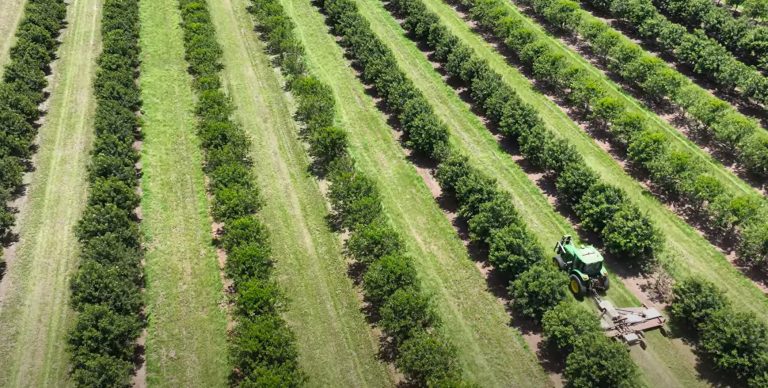
- Management of busy areas such as sheds, loading zones and orchard rows.
- Use of spotters, radios or agreed signals where visibility is limited.
- Speed management and clear in-field traffic rules.
Simple, practical controls that people actually use are usually viewed more positively than complex plans that sit on the shelf.
Maintenance, isolation and lock-out
Inspectors may also check:
- Plant is isolated before maintenance or cleaning.
- Lock-out or tag-out processes are understood and used where relevant.
- Guards removed for maintenance are replaced before plant is used again.
- Stored energy (hydraulic, electrical or mechanical) is managed safely.
Systems and documentation
This isn’t about perfect paperwork. Inspectors are generally checking that safety is actively managed, not ignored.
They may look for:
- Risk assessments for key plant and activities.
- Safe systems of work that reflect what actually happens on site.
- Evidence that issues are raised, discussed and addressed.
- A willingness to engage and improve.
What inspections usually come down to
Most inspections ultimately ask one simple question:
Do you understand your risks, and are you taking reasonable, practical steps to manage them?
A cooperative, informed approach almost always leads to a better outcome.
Useful resources (for awareness and reference)
These are the same resources Safety Dave is working from and may reference:
- Rural Plant Code of Practice 2024
https://www.worksafe.qld.gov.au/laws-and-compliance/codes-of-practice/rural-plant-of-practice-review - Serious about Farm Safety – templates and checklists
https://www.worksafe.qld.gov.au/safety-and-prevention/industry-and-workplace-support/agriculture/serious-about-farm-safety - ‘Unpacking the Rural Plant Code of Practice’ video series
https://www.worksafe.qld.gov.au/resources/videos/unpacking-the-rural-plant-code-of-practice
How this fits at MFM
- Safety Dave leads WHS engagement and coordination.
- Supervisors support safe systems of work day to day.
- All of us share responsibility for working safely, following agreed practices, and raising issues early.
If you’re unsure about something, notice a risk, or want clarity, speak with your supervisor or check in with Safety Dave — early conversations help prevent bigger issues later.