
2026 Harvest Begins: A Message from CEO Scott Allcott
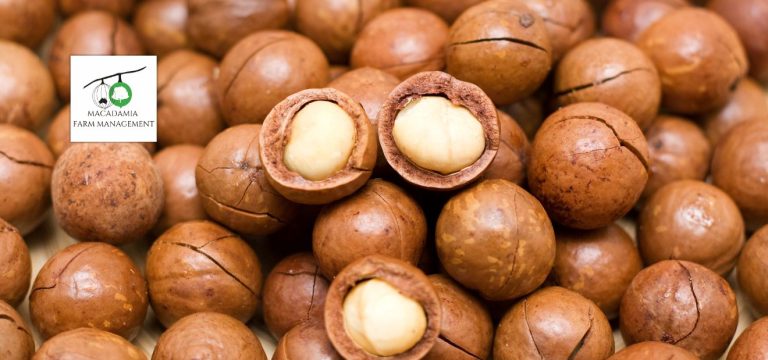
The 2026 macadamia harvest is now underway across Macadamia Farm Management orchards, and it is shaping up to be a big season.
CEO Scott Allcott recently shared an update with the team about what lies ahead — from a larger crop and increased logistics to the importance of communication, safety, and teamwork as harvest ramps up.
“We’ve got a lot more hectares to harvest and a lot more nut to move this year. It’s going to take everyone pulling together and rowing in the same direction.”
— Scott Allcott
A Large Crop for 2026
The Australian macadamia industry is expecting a strong crop this season, and Bundaberg is likely to see one of its largest harvests yet.
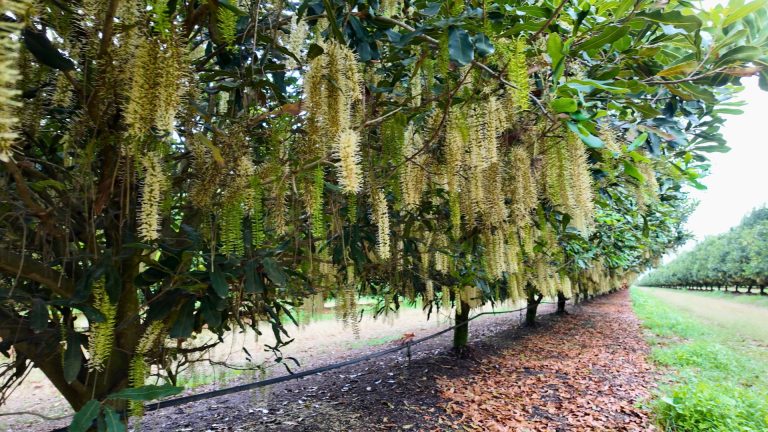
Much of this growth is coming from young orchards now reaching maturity, which means significantly more hectares producing nut.
For MFM, this means more harvesting, more transport, and more product moving through the system — a positive milestone, but one that requires careful coordination across teams.
More Equipment, More Movement
To support the larger harvest, additional resources have been put in place across the operation, including:
- More trucks transporting nut
- Additional skip bins in orchards
- New harvesters in the field
- Larger operational teams
- Increased sorting shed capacity
With more nut moving through the system, clear communication and planning between teams will be essential to keep everything running smoothly.
Rain Slows the Start
Bundaberg has experienced significant rainfall leading into harvest, which slowed progress in some areas early in the season.
Wet ground conditions can make orchard access difficult and delay nut pickup.
However, crews are now back into harvest and early indications suggest the quality of the crop this year is very good.
If conditions dry out, teams should be able to move efficiently through orchards and maintain steady harvest progress.
Maintaining Crop Quality
A key focus this season is maintaining the quality of the nut as it moves through the harvest system.
Macadamia nuts naturally fall to the orchard floor, so it is important they are picked up promptly to minimise time on the ground.
In preparation for harvest, teams have already completed important work across the orchards, including:
- Pre-harvest orchard floor clean-ups
- Removal of old nut from previous seasons
- Spray programs completed on schedule
These steps help ensure the incoming crop starts the season clean and in good condition.
Cell Structure Keeps Operations Moving
MFM continues to operate using a cell structure, where groups of orchards are managed as individual operational units.
Each cell typically has its own harvesters, managers, and equipment, allowing teams to focus on the specific conditions in their area while still coordinating across the wider operation.
This structure helps manage challenges locally while keeping harvest operations moving overall.
A Shout-Out to the Welcome Creek Team
Scott also recognised the BUM group working in the Welcome Creek area, who are facing some particularly challenging orchard conditions this season.
These orchards include larger areas, wet ground, older trees, and longer distances to sorting sheds. Despite these challenges, the team continues to do a strong job managing harvest operations.
Safety Comes First
Harvest season involves long hours and heavy machinery, making safety an ongoing priority.
Fatigue can become a risk during busy periods, particularly when working extended hours. Everyone is encouraged to keep communicating, support each other, and speak up if fatigue becomes an issue.
The goal is simple: work safely and make sure everyone gets home to their families at the end of the day.
Thank You to the MFM Team
Macadamia Farm Management now employs more than 200 people, and the success of the harvest depends on the effort of the entire team.
Scott closed his message by thanking everyone across the business for the work they are doing in orchards, logistics, and operations to keep the harvest moving.
As the season progresses, teamwork, communication, and safety will remain key to delivering a successful harvest.